Featured
How Does What to Expect from the Post-Bankruptcy Debtor E...
The Greatest Guide To Your Introduction to Debt Counselin...
The Single Strategy To Use For Recovering Personal Financ...

Some Ideas on Essential Things You Should Ask a Bankruptc...
Not known Facts About Establishing Post-5 Secrets to Reduce Credit Card Debt Effectively : APFSC Budget for Lasting Stability
Table of Contents
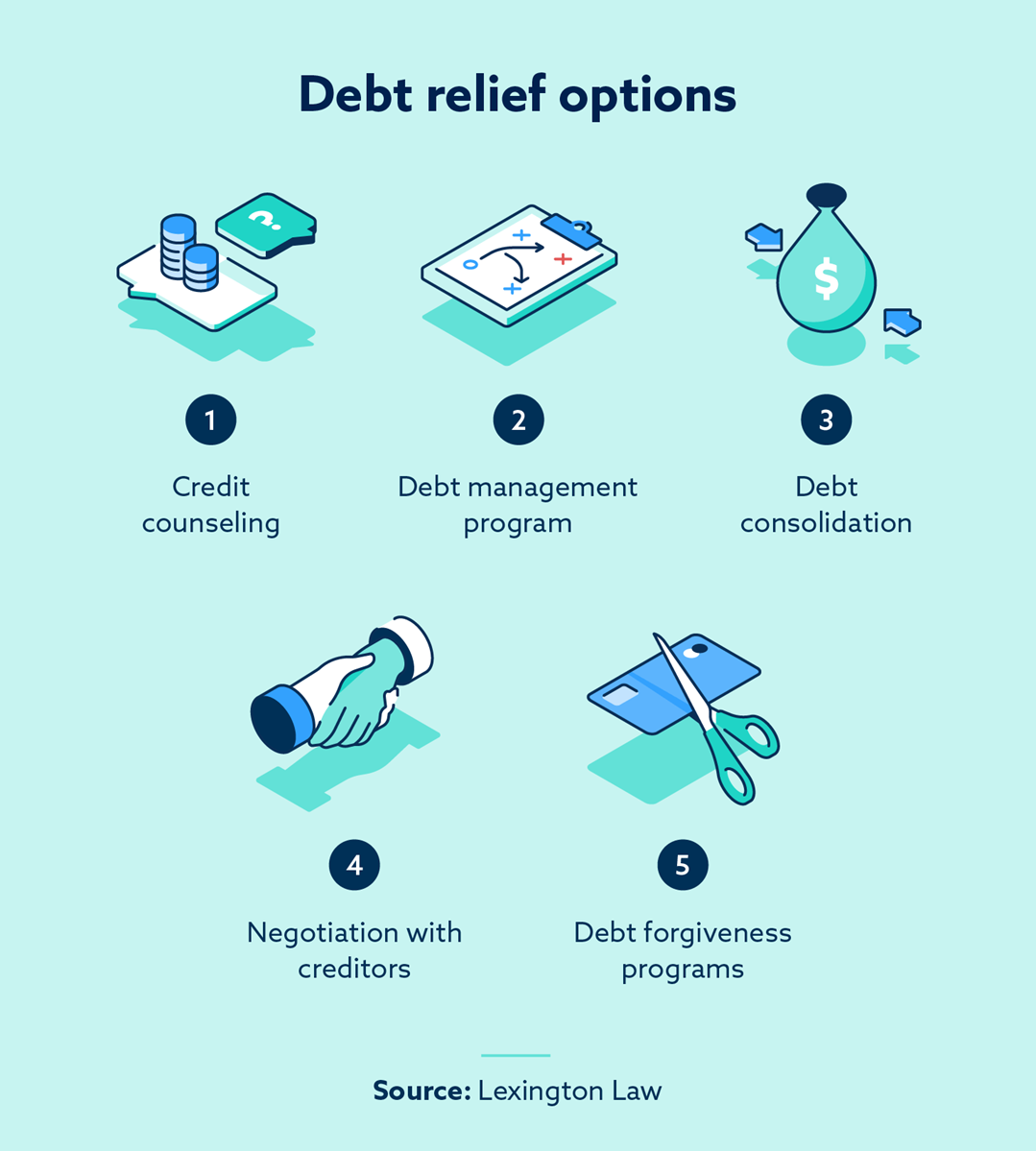
That maximizes money in the brief term, and you may have three to 4 years to conserve toward the settlement amount. Very dangerous to credit rating, primarily due to missed settlements and an adverse "resolved" mark that could stay on your credit rating report for as much as seven yearsMay be just choice if various other options (financial debt consolidation, balance transfer charge card, debt forgiveness) aren't possibleTypically calls for a cost to the 3rd event, which can counter some or every one of the savings from financial obligation settlementMay assist you stay clear of bankruptcy if you've missed several paymentsNot all creditors deal with debt settlement companies Financial debt forgiveness may be appropriate for you if you are experiencing a monetary challenge that makes it virtually impossible to pay down your financial obligation balances.

With a DMP, you make one monthly settlement to the credit rating counseling company. Those funds are after that dispersed to financial institutions of your unsecured financial debts, such as bank card and installment lendings. The agency collaborates with your lenders to decrease rates of interest or forgo fees, but some creditors might reject such giving ins.
It can assist you pay down debt if you're able to protect a funding price that's reduced than the ordinary price of the accounts you're combining. You need to abstain from racking up debt on those newly gotten rid of accounts or your financial obligation might expand even greater.
That offers you plenty of time to get rid of or significantly lower your balance while making interest-free settlements.
Examine This Report about The Benefits to Consider of Bankruptcy
You may need it if your creditor or a debt collector ever attempts to collect on the financial obligation in the future. The letter can prove you don't owe what the collection firm's documents show. Yes, most of the times, the IRS considers forgiven debt as taxed revenue. When a lender forgives $600 or even more, they are required to send you Kind 1099-C.
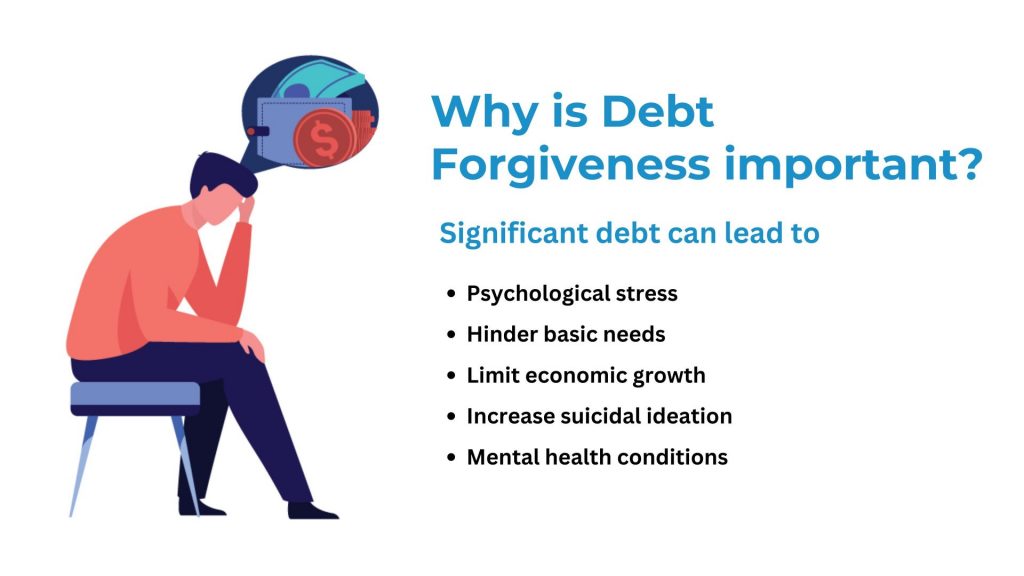
Debt forgiveness or settlement virtually constantly harms your credit score. Anytime you settle a financial obligation for less than you owe, it might look like "worked out" on your credit scores report and impact your credit rating rating for 7 years from the date of settlement. Your credit rating can likewise drop substantially in the months bring about the forgiveness if you fall back on repayments.
More About True Testimonials of 5 Secrets to Reduce Credit Card Debt Effectively : APFSC Users
This scenario frequently results from underreporting income, not submitting returns on time, or inconsistencies found throughout an Internal revenue service audit. The repercussions of accumulating tax obligation financial debt are major and can include tax obligation liens, which offer the Internal revenue service a legal case to your home as security for the debt.
Wages and Bank Accounts IRS can levy (take) salaries and bank accounts to satisfy the debt. Property Seizure In severe situations, the IRS can take and sell residential or commercial property to cover the financial obligation.
Social Stigma Facing lawful activity from the Internal revenue service can bring social stigma. Work Opportunities A poor credit history rating due to tax financial obligation can restrict work chances. Government Benefits Tax financial obligation might influence qualification for government benefits, such as Social Security and Medicaid.
The Ultimate Guide To Extended Guidance and Group Resources
The OIC considers a number of variables, consisting of the taxpayer's income, expenses, property equity, and capability to pay. Efficiently discussing an OIC can be intricate, requiring a comprehensive understanding of the IRS's guidelines and a strong argument for why your deal straightens with your capability to pay. It is necessary to note that not all applications are approved, and the procedure needs thorough monetary disclosure.
The internal revenue service assesses your overall financial situation, including your revenue, expenditures, property equity, and capability to pay. You have to additionally be existing with all filing and repayment needs and not be in an open insolvency case. The internal revenue service also considers your conformity background, reviewing whether you have a record of timely declaring and paying taxes in previous years.
The Best Guide To Documents You'll Need for Debt Forgiveness
The application procedure for an Offer in Concession involves numerous in-depth actions. You need to complete and submit IRS Form 656, the Deal in Concession application, and Kind 433-A (OIC), a collection information declaration for individuals. These forms need comprehensive monetary details, including details regarding your income, financial debts, expenditures, and properties.
Back tax obligations, which are unpaid tax obligations from previous years, can considerably boost your total internal revenue service financial obligation if not addressed without delay. This financial obligation can build up rate of interest and late payment penalties, making the initial quantity owed much larger with time. Failing to pay back taxes can cause the IRS taking enforcement actions, such as providing a tax lien or levy against your property.
It is very important to deal with back tax obligations as quickly as feasible, either by paying the sum total owed or by setting up a layaway plan with the internal revenue service. By taking aggressive steps, you can avoid the build-up of additional passion and penalties, and protect against a lot more hostile collection activities by the internal revenue service.
One common reason is the belief that the taxpayer can pay the complete amount either as a swelling sum or via a payment plan. The IRS likewise thinks about the taxpayer's income, costs, property equity, and future earning potential. If these elements show that the taxpayer can pay for to pay greater than the used quantity, the internal revenue service is likely to reject the offer.
The 10-Minute Rule for Your First Step to Debt Counseling with a Counselor
Dealing with IRS financial debt can be complex and challenging. Tax specialists, such as Certified public accountants, tax obligation lawyers, or registered agents, can provide important aid.

Table of Contents
Latest Posts

How Does What to Expect from the Post-Bankruptcy Debtor Education Course Appropriate for Your Family can Save You Time, Stress, and Money.
The Greatest Guide To Your Introduction to Debt Counseling and What to Ask

The Single Strategy To Use For Recovering Personal Financial Standing Following Bankruptcy
More
Latest Posts
The Greatest Guide To Your Introduction to Debt Counseling and What to Ask
The Single Strategy To Use For Recovering Personal Financial Standing Following Bankruptcy